Philosophy · Architecture
Traditional Mediterranean Architecture
By Dania Bawadkji · · Updated · 2 min read
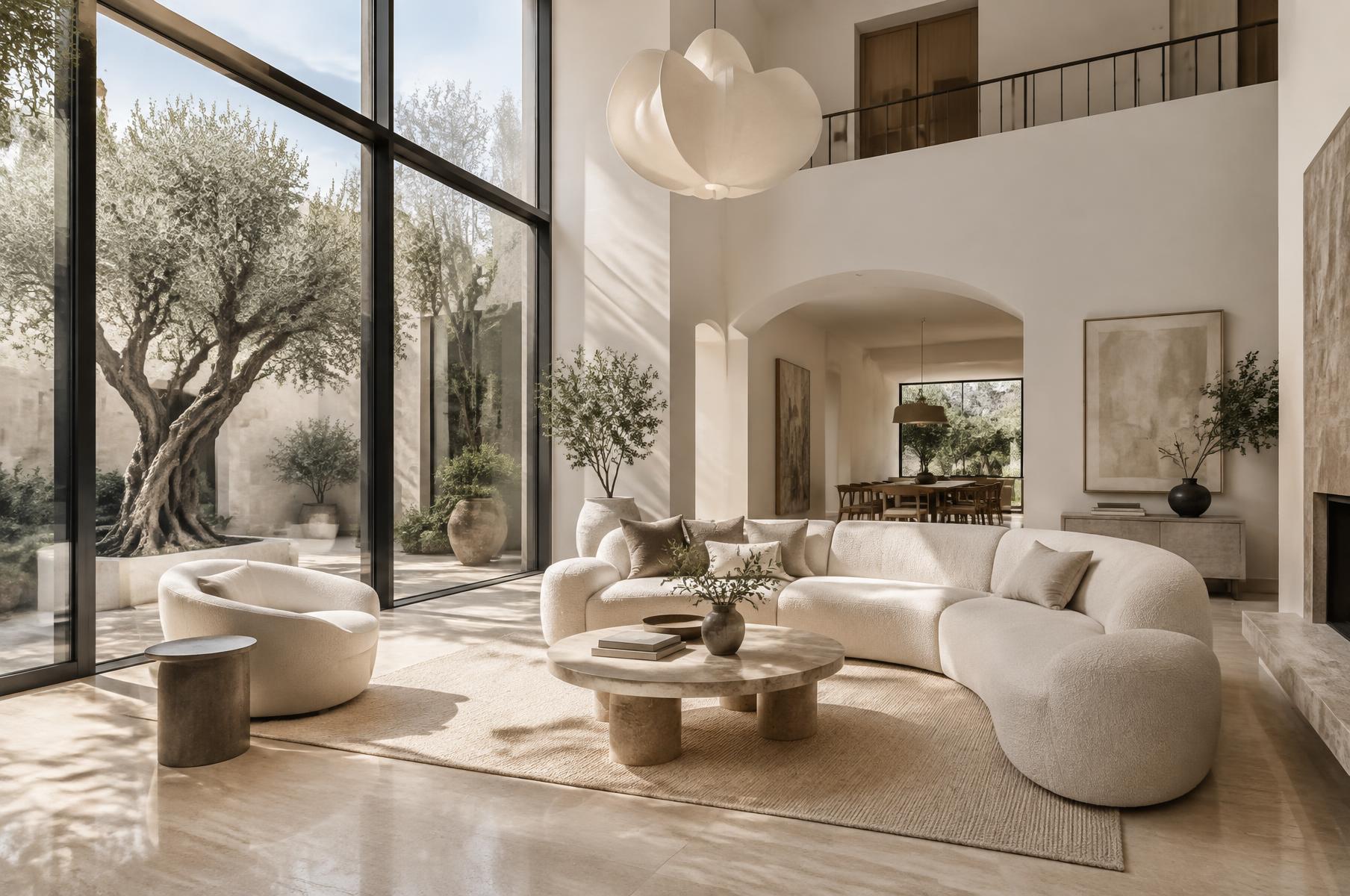
In today's world, where digital connections often outnumber genuine personal interactions, designing our homes with intention has never been more important. The timeless elegance of traditional Mediterranean architecture goes beyond aesthetics—it fosters connection, nurtures relationships, and creates a profound sense of belonging.
By reimagining courtyards, communal spaces, and thoughtfully curated interiors, we can transform our homes into luxury sanctuaries of warmth and togetherness. Spaces where real conversations unfold, laughter echoes, and lasting memories are crafted in exquisitely designed environments. Here, high-end, bespoke design meets lifestyle, turning each home into a haven of love, connection, and refined comfort.
Translate the architecture, not just the aesthetic
Mediterranean-inspired interiors need not reproduce a historic house. Start with the qualities that suit your home: sheltered transitions, tactile surfaces, comfortable gathering places, and a considered relationship between inside and outside. A shaded doorway or seating arrangement facing a garden can express that idea without adding a courtyard or changing the building's style.
Plan a renovation around daily life
Before selecting decorative finishes, list how the household uses each room. Record where people arrive, gather, cook, work, and retreat. Gather measured plans and photographs, identify what should remain, and separate essential changes from optional ones. An interior architect can help connect these priorities to circulation, built-in details, lighting, and a cohesive material palette. Structural changes, permits, and building systems need review by the appropriate qualified professionals.
- Agree the scope: Clarify the rooms involved, design deliverables, decision-makers, and who will implement the work. Discuss the investment range and a contingency with your project team rather than treating an initial estimate as a guarantee.
- Sequence decisions: Resolve layouts and fixed elements before final furnishings. Check lead times and sample approvals with suppliers and trades before setting an installation date.
- Keep the palette connected: Compare stone, plaster, wood, and textiles together in the actual rooms. Their appearance can change with daylight and evening lighting.
Explore how planning, selections, and coordination fit together in our full-service design services.