Sustainability · Philosophy
Anthropocene Epic: Designing Interiors for Life and Sustainability
By Dania Bawadkji · · Updated · 3 min read

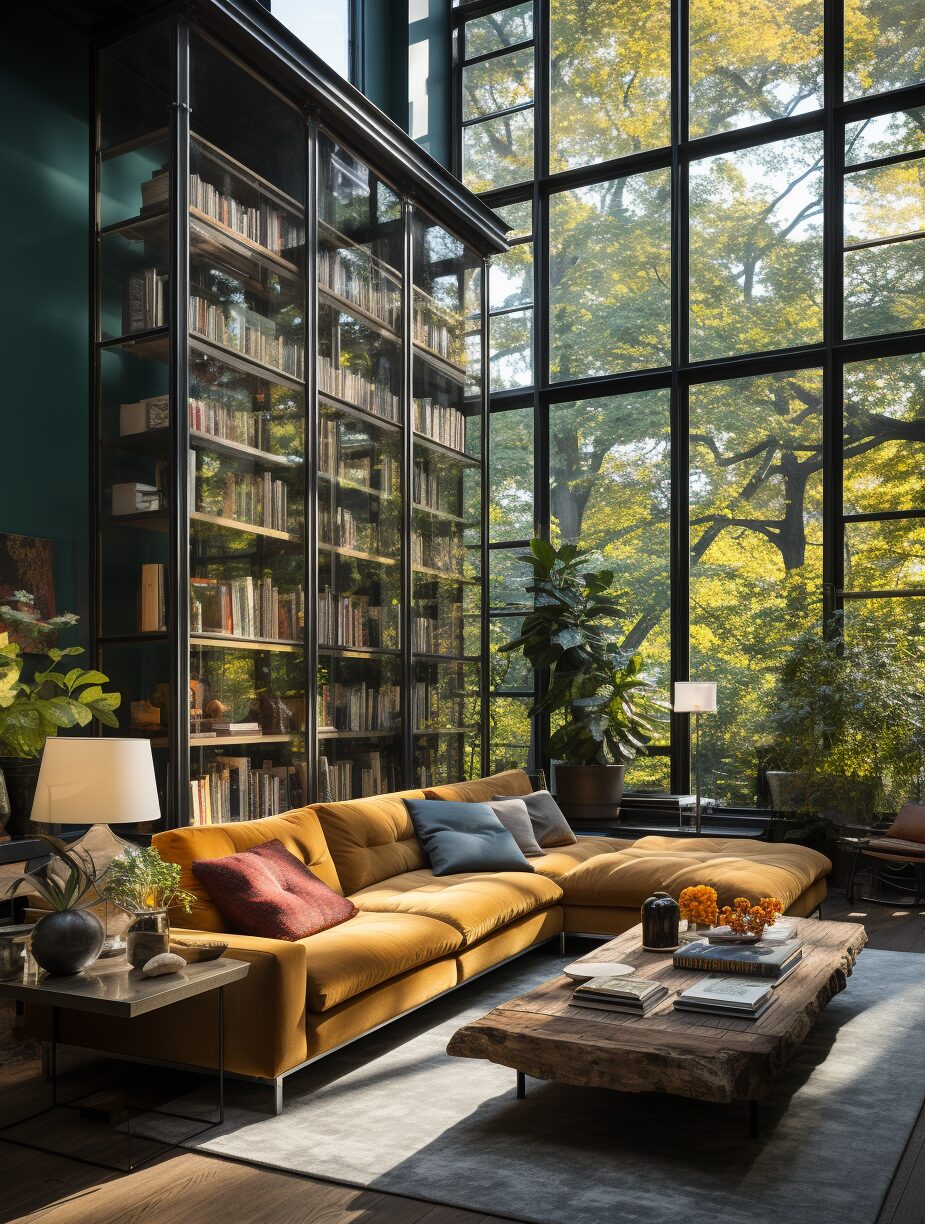
The idea of the Anthropocene invites reflection on human influence on the planet. Resource use, waste, and environmental change make it important to consider the wider consequences of design decisions. Interior designers, architects, and creators can respond thoughtfully through the materials, layouts, and details they propose.
Design must go beyond aesthetics—it must nurture life and support well-being. Living in spaces that lack vitality or soul can negatively shape our personalities, behaviors, and overall quality of life. By reconsidering the wider impacts of our interior environments, we can transform buildings and communities into spaces that help people and nature thrive.
- Life-Giving Interiors: Designing environments that promote health, well-being, and emotional connection.
- Resource Efficiency: Moving away from linear consumption toward closed-loop systems that prevent waste and optimize resources.
- Ecological Responsibility: Creating sustainable, high-end interiors that support both human and ecological life.
By embracing these practices, we can shift from the age of the Anthropocene to an ecological era of conscious design, where luxury, functionality, and sustainability coexist harmoniously. Thoughtful, high-end interior design has the power to create spaces that are beautiful, life-sustaining, and socially responsible, shaping a future where people and the planet flourish together.
Turn a design philosophy into project decisions
The term Anthropocene is widely used to discuss human influence on the planet; it should not be treated here as a formally established geological epoch. For residential design, the useful question is practical: how can a project meet the household's needs while avoiding unnecessary replacement and waste? That question belongs at the start of a renovation, alongside function and appearance.
- Assess before removing: Identify elements that are sound, adaptable, or repairable. Have qualified trades assess their condition; keeping an existing item is not appropriate if it introduces a safety or performance problem.
- Design for changing needs: Consider adjustable storage, flexible furniture layouts, and details that can be maintained. A room that can accommodate a new use may not need a complete redesign later.
- Coordinate dimensions: Review material sizes and fabrication drawings with the supplier and installer before approval. Early coordination can help avoid preventable offcuts, rework, and incompatible details.
- Make a removal plan: Discuss reuse, donation, or recycling options with the contractor before demolition. Availability depends on condition and local facilities; do not assume everything removed can be recycled.
There is no single universally sustainable finish. Compare the intended use, maintenance, supply information, and expected service life, and be explicit about trade-offs. Written decisions help the design team and trades understand why a material or detail was chosen without promising outcomes the project has not measured.
Planning and material selection are part of DB Studio's full-service design approach.