Sustainability · Well-Being
Sustainable Living: The Key to Luxury, Health, and Well-Being
By Dania Bawadkji · · Updated · 3 min read
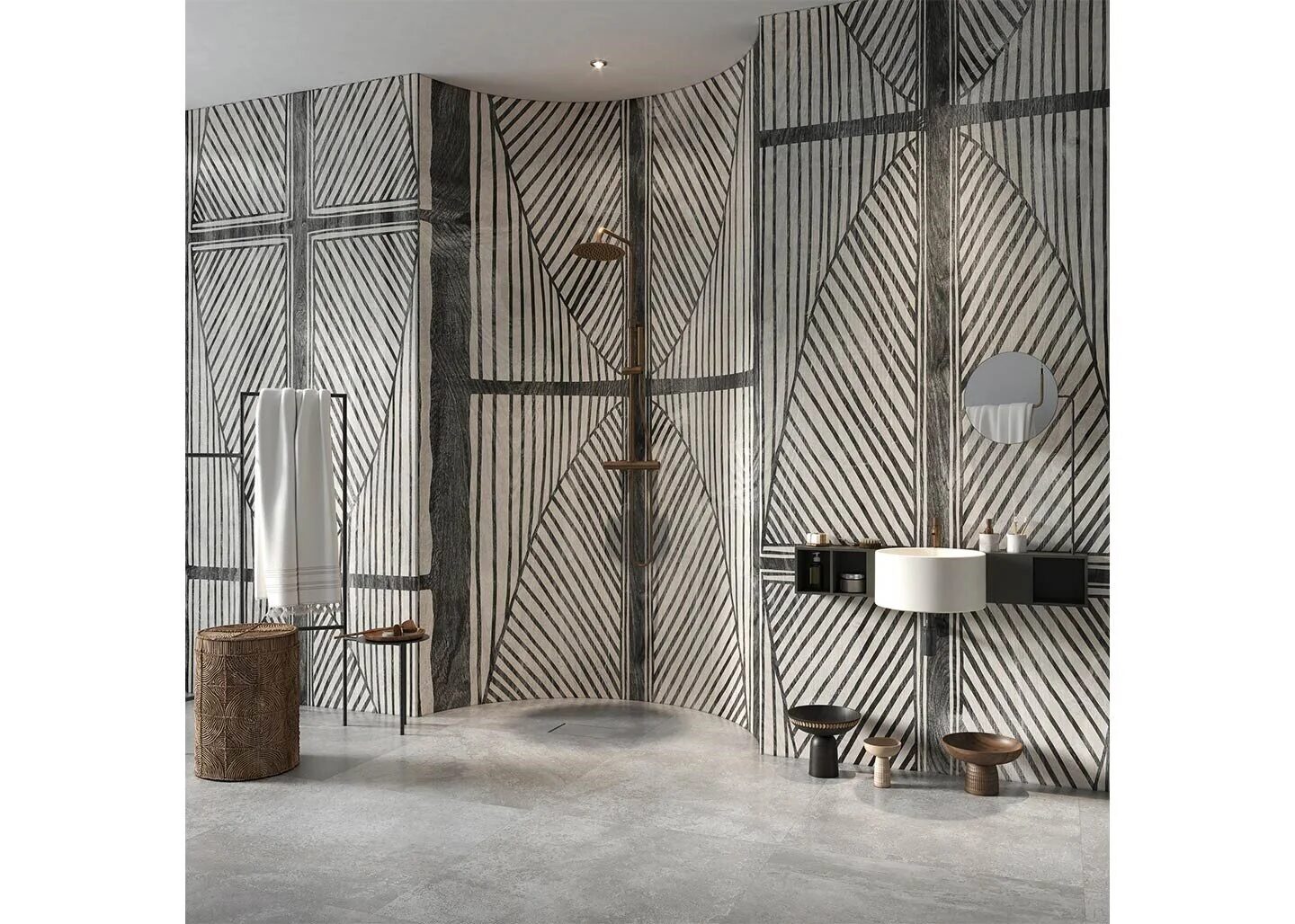
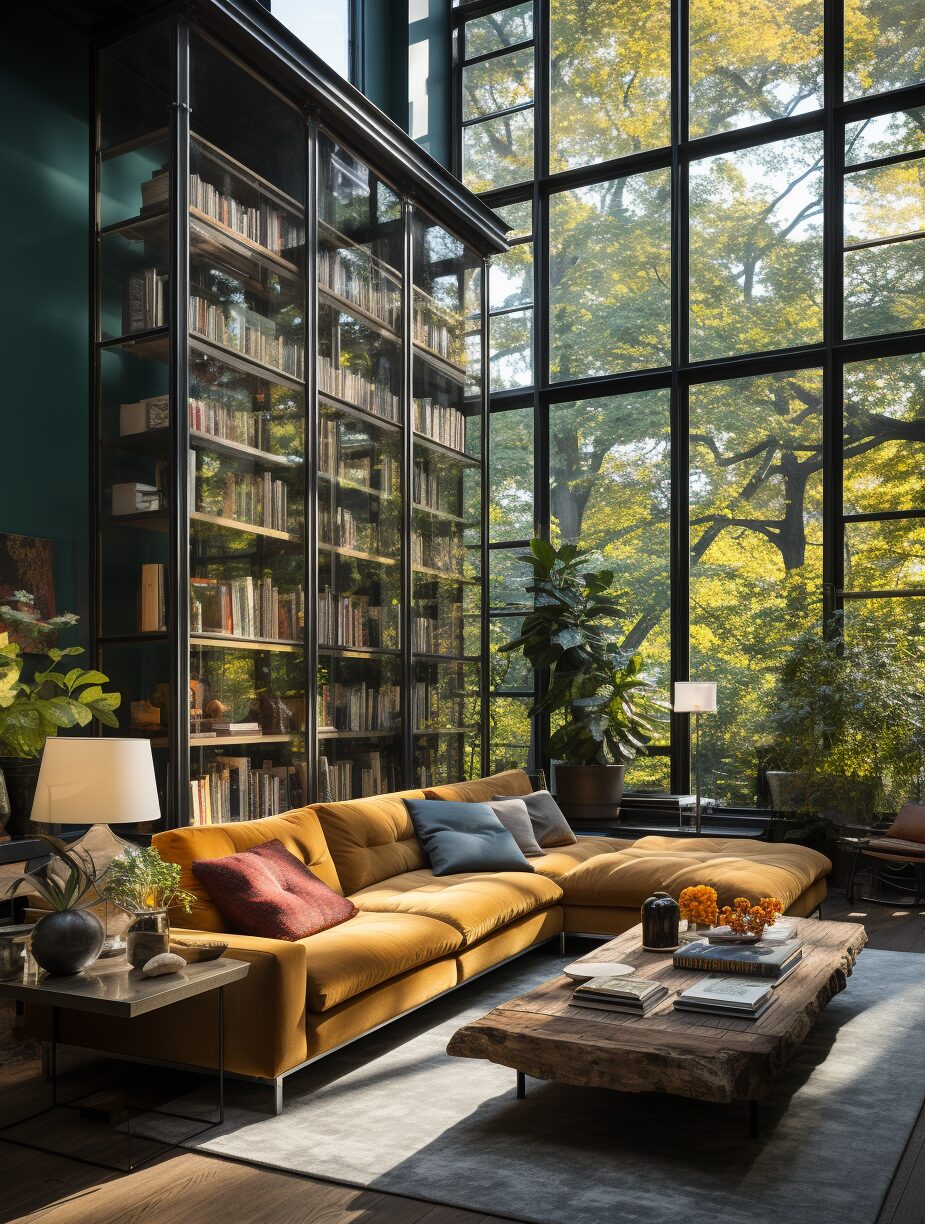
In today's world, sustainable living is more than a trend—it's a cornerstone of well-being and mindful luxury. Thoughtful, eco-conscious design not only reduces environmental impact but also enhances comfort, health, and the quality of life within a home.
In high-end interior design, sustainable choices can be seamlessly integrated without compromising elegance or sophistication. From responsibly sourced materials and energy-efficient appliances to custom, timeless furnishings, every detail contributes to a home that is both beautiful and conscientious.
Comfort and environmental responsibility belong in the same design conversation. Useful daylight, appropriate ventilation, and materials chosen with documented care and emissions requirements can support a more considered home. No decorative choice or broad product label guarantees health or well-being.
For me, sustainable design is not just about materials—it's about creating bespoke, thoughtful living spaces that reflect a commitment to health, comfort, and the planet. By blending high-end design with eco-conscious principles, we can craft homes that are both elegant and meaningful, enhancing well-being in every aspect of daily life.
Begin with what can stay
A sustainable renovation starts with an inventory, not a shopping list. Review existing cabinetry, flooring, furniture, and lighting before deciding what to replace. Repairing a useful piece or adapting its finish may be preferable to buying something new, provided it is safe and suitable for the intended use. Discuss reuse with your project team early so it can inform the layout and investment plan.
Ask better questions about materials
- Durability and care: Ask how a finish tolerates everyday wear, what cleaning products it needs, and whether individual parts can be repaired or replaced. A beautiful material is not automatically appropriate for every household.
- Documentation: Request product-specific sourcing and emissions information where relevant. Broad terms such as green, natural, or non-toxic are not substitutes for documented performance.
- Installation: Review adhesives, coatings, and installation requirements as well as the visible material. Ask the contractor about ventilation during and after work and follow the manufacturer's instructions.
Balance comfort with responsible choices
Daylight, comfortable lighting, and thoughtful layouts can make a home more pleasant to use. Indoor plants are a decorative choice, not a replacement for appropriate ventilation or moisture control. Where energy performance is a priority, assess the building and appliances with qualified specialists rather than assuming that a single finish or furnishing will deliver measurable savings.
See how DB Studio brings material choices into a coordinated residential plan through our design services.