Materials · Craftsmanship
My story with Terrazzo
By Dania Bawadkji · · Updated · 3 min read
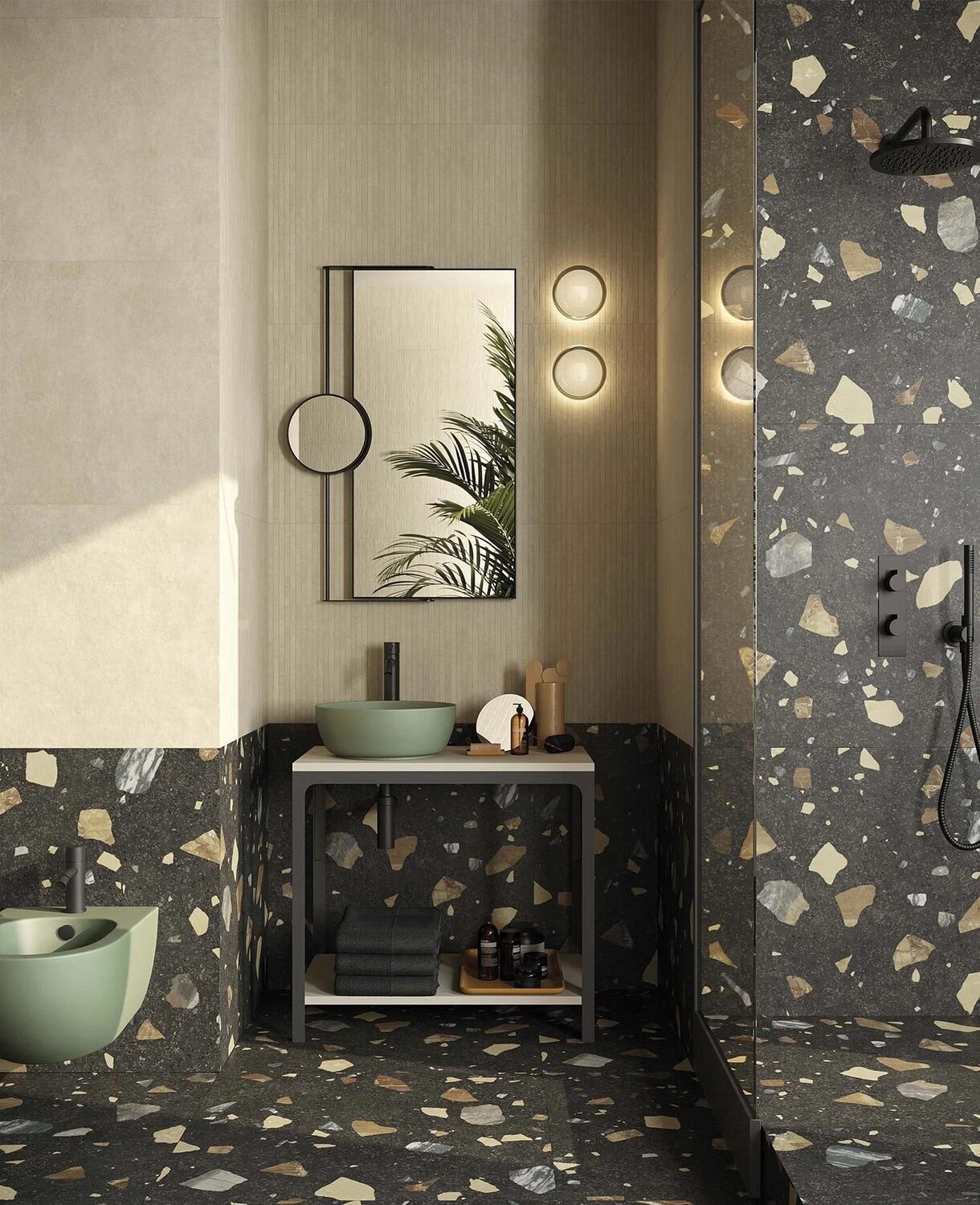
My journey with terrazzo began with curiosity and a love for materials that tell a story. There's something about its unique, speckled patterns—each piece a blend of history, craftsmanship, and artistry—that instantly captured my imagination. Terrazzo is more than just a surface; it's a material that transforms spaces, blending luxury, durability, and timeless style.
Over the years, I've explored terrazzo in a variety of applications—from bespoke flooring and statement countertops to intricate accent walls and furniture details. What draws me to terrazzo is its infinite versatility: it can feel bold and contemporary, yet also classic and refined, depending on the colors, aggregates, and finishes I choose.
Terrazzo can bring pattern and a tactile quality to an interior. Paired thoughtfully with wood, stone, or metal, it can become either a focal point or a quieter part of the palette. Its suitability depends on the selected system, finish, and intended application.
For me, terrazzo is more than a design choice—it's a medium of expression, a way to merge creativity with craftsmanship, and a nod to the beauty of artisanal materials. Careful specification is what connects that visual appeal to the practical needs of a home.
Select the system as well as the appearance
Terrazzo combines aggregates with a binder, and different systems are suited to different uses. A poured floor, a manufactured tile, and a furniture surface should not be assumed to have the same installation or maintenance requirements. Ask the supplier which application the selected product is intended for and what substrate preparation, joints, and care it needs.
Compare stone and finishes in context
- A representative sample: Review aggregate scale, color variation, and finish using a sample large enough to judge the pattern. Confirm how closely the supplied material is expected to match it.
- The intended room: Discuss moisture, staining, cleaning, slip resistance, and wear with the supplier. Ask whether sealing is required and what ongoing care is recommended for that specific product.
- Adjacent materials: Compare terrazzo with wood, paint, metal, and any natural stone in the same room. View them under daylight and the proposed lighting so the palette is coordinated.
- Fabrication and transitions: Review edges, seams, floor-height changes, and junctions with cabinetry before installation. These details affect how a material reads as part of the architecture.
Natural stone also varies in appearance and care. Ask about the properties of the particular stone rather than treating marble, granite, and other surfaces as interchangeable. Where appropriate, review the actual slab or batch before approval. The aim is not to find a universally perfect surface, but to select one whose appearance and maintenance suit the household.
Material and finish selections are part of our full-service interior design process.