Design Detail · Millwork
Bespoke Mudrooms: Functional and Stylish Entryway Solutions for Luxury Homes
By Dania Bawadkji · · Updated · 3 min read
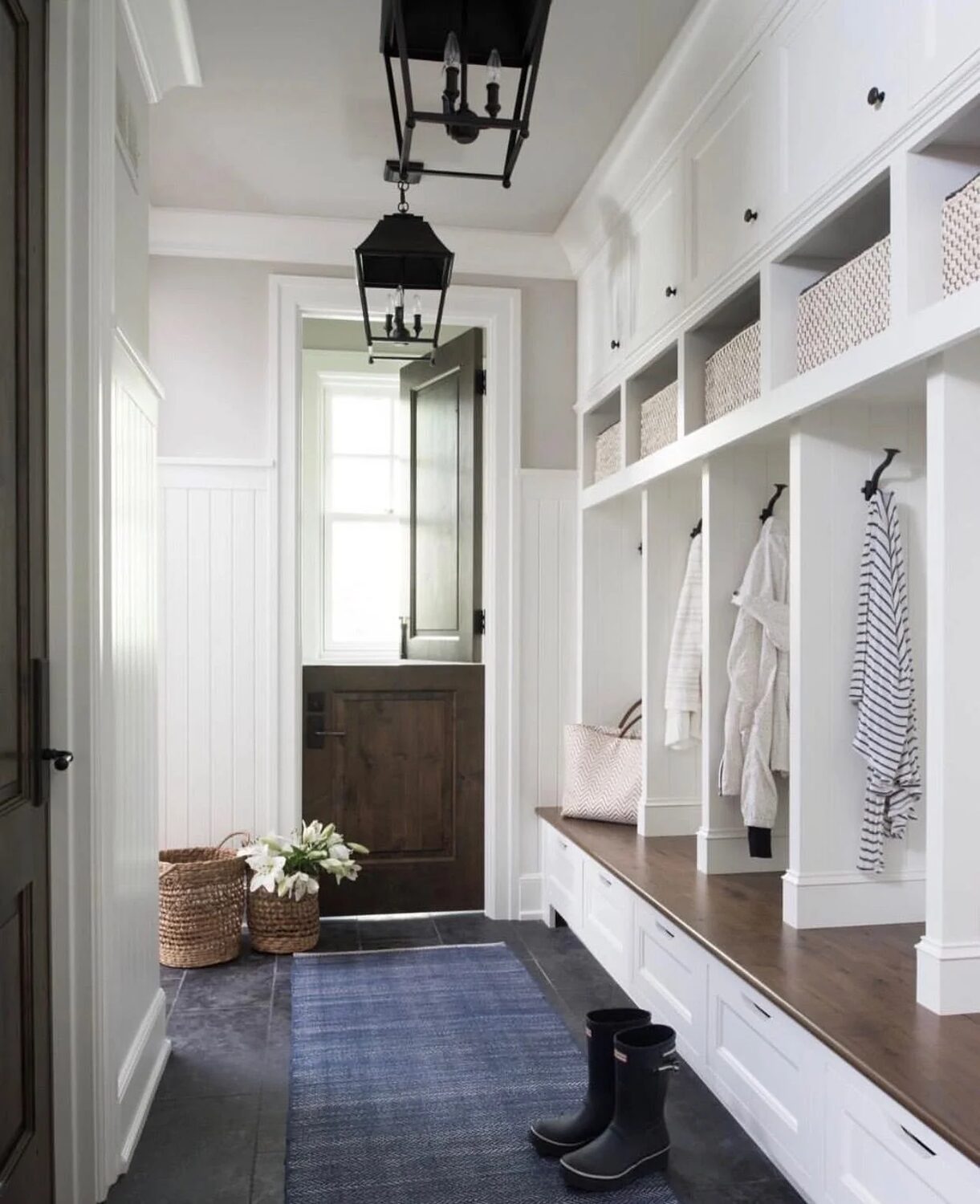
A mudroom is more than just an entryway—it's a high-end, functional space that keeps your home organized, clutter-free, and stylish. Designed as a buffer between the outdoors and your interior, the mudroom plays a vital role in maintaining cleanliness, especially for families.
Kids can neatly store school supplies, shoes, backpacks, and rain boots, keeping everyday clutter contained. With bespoke storage solutions like cubbies, hooks, shelves, and built-in benches, daily routines become smoother, more efficient, and effortlessly elegant.
Keeping Dirt at Bay
One of the mudroom's essential functions is to prevent dirt and debris from spreading throughout your home. A high-quality doormat at the entrance traps mud and dust from shoes before it reaches your interiors.
Modern luxury interior designers are transforming mudrooms into stylish yet practical spaces, ensuring that this often-overlooked area complements the home's overall aesthetic. Thoughtful design features—such as custom cabinetry, designer wall hooks, decorative storage baskets, and coordinated color schemes—add both charm and functionality to the space.
A Space for Every Season
Beyond everyday essentials, a bespoke mudroom serves as the perfect storage hub for seasonal items. In winter, it houses coats, scarves, and gloves; in summer, it holds swimwear, flip-flops, and sun hats. Having a dedicated space for seasonal gear ensures items are easily accessible, organized, and beautifully stored.
Why a Mudroom is a Must for Luxury Homes
A well-designed mudroom is a game-changer for busy households. It provides a space for kids' school essentials, keeps dirt at bay, and enhances the home's high-end interior design. Whether large or small, incorporating a custom, stylish mudroom adds efficiency, convenience, and a touch of bespoke elegance to any home.
Plan custom millwork around what you store
Begin with an inventory of coats, shoes, bags, sports equipment, and seasonal items. Note who uses them and how frequently. Everyday items should be accessible; occasional pieces may belong in higher or enclosed storage. Measure bulky belongings before drawing compartments so the cabinetry serves the household rather than asking the household to adapt to it.
- Circulation: Check door swings, bench use, and the route through the room with bags or groceries. Test the furniture layout before committing to fixed cabinetry.
- Construction details: Review cabinet elevations, hardware, shelf adjustments, wall fixings, and service access with the fabricator and installer. Confirm the final site dimensions before fabrication.
- Lighting: Combine general illumination with useful light at benches and inside deep storage where appropriate. Coordinate fixtures, switches, and wiring with the millwork drawings.
- Surfaces: Compare floor and bench samples for the wear, moisture, and cleaning they will encounter. Ask about slip resistance and care requirements rather than selecting by color alone.
Keep the room adaptable
Children grow, routines change, and seasonal equipment takes up different amounts of space. Adjustable shelves and a mix of open and closed storage can give a mudroom flexibility. Decide how damp outerwear will dry, keep electrical items away from wet gear, and avoid making storage so deep that everyday belongings disappear at the back.
Explore custom furniture and millwork alongside space planning in our Services page.